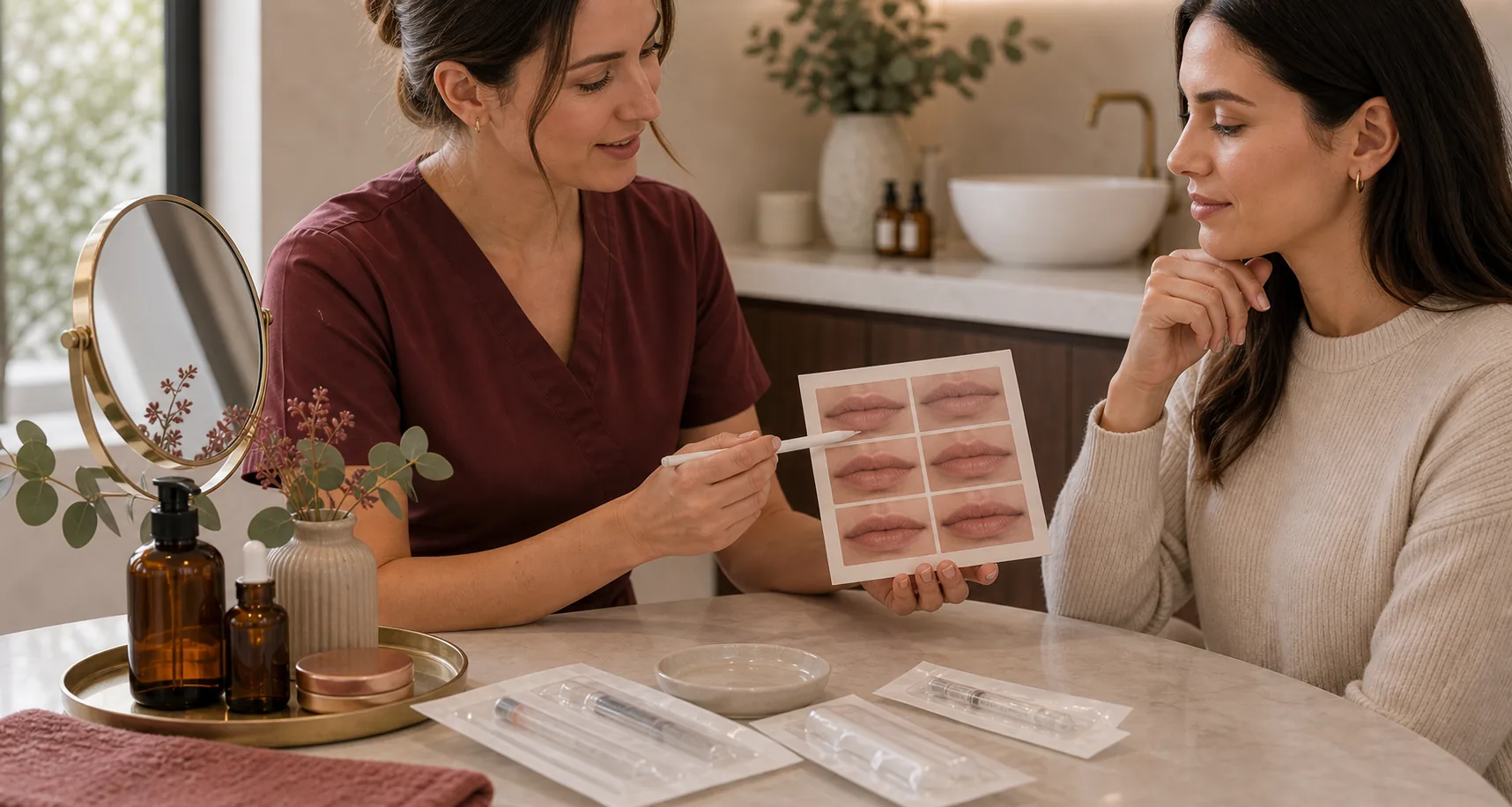
Dermal filler and lip filler are two of the most searched aesthetic treatments because they promise something many people want: a little more support, contour, fullness, or balance. They are also two of the most misunderstood treatments. Online photos can make filler look instant and simple. In real life, subtle filler depends on planning, anatomy, restraint, and a serious respect for safety.
At Proxima Beauty in Mississauga, filler is not treated as a volume contest. The question is not “How much can we add?” The question is “What change would actually help this face, and is filler the right tool for that change?”
That question matters whether you are considering cheek support, facial balancing, smile-line softening, lip definition, or a small refresh after noticing changes over time.
Dermal filler is not just about bigger features
The word filler can make people think only of size, but dermal filler is often used for support and balance. It may be discussed when an area has lost softness, when shadows make the face look tired, or when proportions feel less harmonious than they once did.
A subtle filler plan might involve a small amount placed strategically rather than a large amount placed obviously. Sometimes the most effective work is not visible as “filler” at all. The face simply looks a little more rested or supported.
This is why assessment matters. Volume loss, bone structure, skin quality, facial movement, natural asymmetry, and personal taste all influence the plan. A treatment that looks beautiful on one person may look wrong on another if copied without context.
Lip filler should be planned around proportion
Lip filler is especially personal because lips move constantly. They speak, smile, rest, stretch, and shape expression. A beautiful lip filler result needs to work in motion, not only in a still photo.
Planning should consider the upper-to-lower lip relationship, border definition, hydration, projection, corners, smile, teeth show, chin balance, and the rest of the face. Some clients need a tiny amount for softness. Some need border refinement more than volume. Some may benefit from waiting, dissolving previous work, or choosing lip blush instead.
The first lip filler appointment does not need to be dramatic. In fact, many natural-looking lip results are built conservatively. A staged approach lets the tissue settle and gives the client time to decide whether more is truly needed.
Reference photos can help, but they can mislead
Bringing reference photos is normal. They can help explain taste: soft, hydrated, defined, pillowy, balanced, lifted. But references can also mislead if they become a demand for someone else’s anatomy.
Lips, cheeks, jawlines, and facial proportions cannot be copied like a haircut. Skin thickness, natural shape, dental structure, age, previous filler, and facial movement all affect what is possible and what will look natural.
A good provider can translate the feeling of a reference into a plan for your face. They may also explain why a certain look is not realistic or would not suit your features. That honesty is part of good aesthetic care.
Subtle filler sometimes means saying no
One of the most important skills in filler planning is knowing when not to add volume. If the concern is skin texture, filler may not be the answer. If the face is already full in a certain area, more filler may make it look heavier. If the lips are swollen from recent treatment elsewhere, timing may need to change.
Sometimes the best recommendation is a smaller amount than the client expected. Sometimes it is a staged plan. Sometimes it is skincare, microneedling, neuromodulator treatment, or simply waiting.
This can feel surprising if a client arrives ready to book filler, but it is often what protects the final result. Subtle work requires discipline.
Safety belongs in the consultation
Dermal fillers are medical procedures with real risks. A proper consultation should include health history, allergies, medications, pregnancy or breastfeeding status, previous filler, previous complications, dental work, autoimmune considerations where relevant, and the treatment area being considered.
Your provider should discuss common temporary effects such as swelling, bruising, tenderness, and asymmetry while healing. They should also explain rare but serious risks and what symptoms require urgent attention. This conversation should not be skipped because it feels less glamorous than before-and-after photos.
Safety does not ruin the beauty of filler. It makes the beauty more trustworthy.
Swelling is not the final result
After filler, swelling is expected. Lips especially can swell. The immediate result may look fuller, uneven, or more dramatic than the final healed result. This is one reason clients should not judge too quickly.
The tissue needs time to settle. Bruising may occur. Tenderness may happen. Your provider will explain aftercare, what to avoid, and when to follow up. If something feels unusual, contact the clinic rather than trying to solve it alone.
Planning around events is important. Do not book filler right before a wedding, vacation, photoshoot, or major social moment. Give yourself time for swelling and bruising to resolve and for the result to soften.
Filler should work with expression
A face is not a sculpture that sits still. It talks, smiles, laughs, concentrates, and ages. Filler that looks acceptable at rest but strange in motion is not a good result.
This is especially true around the mouth. Lips need to close naturally, smile naturally, and speak comfortably. Cheeks should not look overfilled when smiling. Lower face work should not create heaviness that was not there before.
During consultation, your provider should look at expression and not only static symmetry. Natural filler respects movement.
Previous filler should be part of the conversation
If you have had filler before, even years ago, tell your provider. Previous product can influence the new plan. It may have settled beautifully, faded, shifted, or remained in ways you do not notice every day. Treating over old filler without assessment can lead to heaviness or imbalance.
This is especially important for lips. Clients sometimes think all previous filler is gone because the lips no longer look as full as they once did. That may be true, but it may not be. A careful provider will assess the tissue, ask about timing, and decide whether adding more is appropriate.
Subtle filler often depends on knowing the history of the face, not just the goal for the next appointment.
Lip filler vs lip blush
Some clients want lip filler when they actually want colour definition. Others want lip blush when they actually want volume. These services are different. Lip filler can add soft volume, shape, hydration, and support. Lip blush can improve the look of colour, border, and tone. They may complement each other, but they are not interchangeable.
If your lips have good volume but look pale or uneven in colour, lip blush may be worth discussing. If your lips have colour but lack shape or fullness, filler may fit better. If you want both, timing should be planned carefully.
This distinction helps prevent over-treating. Not every lip concern needs filler.
Maintenance should be realistic
Filler is not permanent. Longevity varies by product, area, individual metabolism, movement, lifestyle, and treatment history. Lips often behave differently from cheeks. A small amount may soften faster than a larger structural treatment, but every client is different.
The goal should not be to chase filler constantly. A good plan includes reassessment. Sometimes maintenance is needed. Sometimes waiting is better. Sometimes the face needs a different treatment before more volume is added.
Clients who want natural results should be especially careful with repeated filler over time. Small additions can accumulate. Periodic review keeps the face balanced.
Choosing filler in Mississauga
If you are considering dermal filler or lip filler in Mississauga, choose a clinic that is willing to slow down. You should not feel rushed into a syringe. You should feel that your provider is looking at the whole face, listening to your comfort level, and explaining both possibilities and limits.
Ask about product choice, placement, expected swelling, aftercare, risks, and follow-up. Ask whether your goal is better suited to filler, neuromodulator treatment, skin work, lip blush, or a staged plan. A thoughtful answer is more valuable than a fast yes.
At Proxima Beauty, subtle filler begins with the belief that your face should still look like your face. The result should support, balance, or soften, not distract. When filler is planned this way, it can be a quiet refinement rather than an obvious announcement.
The best filler work is not measured by how much was placed. It is measured by how naturally the result lives with the person wearing it.
For clients who are nervous about looking overdone, that distinction matters. A careful filler appointment should feel like a conversation about proportion, not a push toward a bigger change. When the plan is conservative and reassessed over time, the result has a better chance of staying soft.